Industrial pipe manufacturing
Industrial pipes and tubes are often overlooked, yet they play a critical role in keeping modern infrastructure and manufacturing processes running efficiently. From transporting fluids and gases to supporting structural systems, these components truly form the backbone of industry.
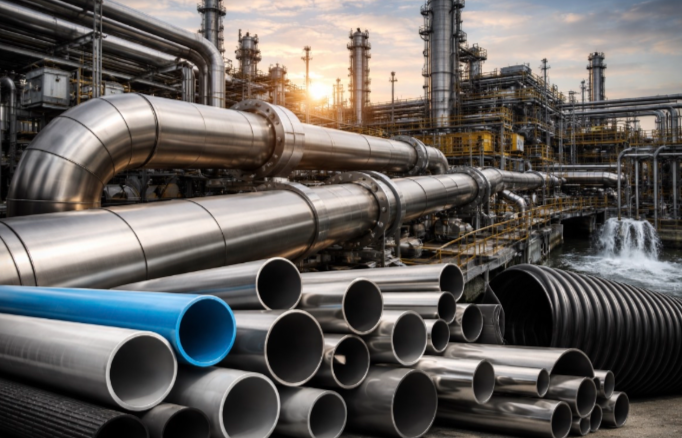
Although the terms are sometimes used interchangeably, pipes and tubes serve slightly different purposes.
• Pipes
are primarily designed to transport liquids, gases, or slurries. They are typically defined by their internal diameter and are widely used in industries such as oil and gas, water treatment, and chemical processing.
• Tubes
on the other hand, are often used for structural or mechanical applications and are defined by their outer diameter and wall thickness. They are commonly found in construction, automotive, and precision engineering.Understanding this distinction is essential when selecting the right component for a specific application.
The performance of pipes and tubes largely depends on the materials used. Some of the most common include:
• Carbon Steel – Known for its strength and durability, ideal for high-pressure environments.
• Stainless Steel – Offers excellent corrosion resistance, making it suitable for harsh or sanitary conditions.
• PVC and Plastics – Lightweight and cost-effective, often used in water systems and low-pressure applications.
• Alloy Materials – Designed for specialized environments, such as extreme temperatures or corrosive chemicals.Choosing the right material ensures longevity, safety, and efficiency.
Industrial pipes and tubes are essential across a wide range of sectors:
• Oil & Gas – Transporting crude oil, natural gas, and refined products.
• Construction – Structural frameworks, scaffolding, and support systems.
• Manufacturing – Machinery components, hydraulic systems, and production lines.
• Water Management – Distribution, drainage, and wastewater treatment systems.Each application demands specific properties, from pressure resistance to corrosion protection.
Selecting the right piping solution involves more than just picking a material. Key factors include:
• Pressure and Temperature Requirements
• Corrosion Resistance
• Size and Dimensions
• Compliance with Industry Standards
• Cost and Maintenance Needs
A well-informed choice can significantly improve operational efficiency and reduce long-term costs.
Advancements in technology continue to improve the performance and sustainability of pipes and tubes. Modern innovations include:
• Enhanced coatings for corrosion resistance
• Smart monitoring systems for leak detection
• Eco-friendly materials and manufacturing processesThese developments are helping industries operate more safely and efficiently while reducing environmental impact.